
Innovation Keynote Speakers for 2027
Founders and inventors who built Siri and Shazam, plus operators running the AI systems companies depend on today. Innovation keynote speakers who shipped what experts called impossible, and can show your team how they did it.
Find Your SpeakerWhy Book an Innovation Speaker?
- Hear how Chris Barton built Shazam, the first mass-consumer AI product (2B+ downloads, 300M+ monthly users today), after MIT and Stanford experts told him the pattern recognition was impossible
- Get the founder-builder view from Adam Cheyer, who co-created Siri (now on 2B+ Apple devices) and has been a co-founder or founding member of five startups, four of them acquired by Apple, Samsung, Cognizant and Airbnb
- Learn what it takes to move AI from pilot to production from Zach Rattner, co-founder and CTO of Yembo, whose platform processes millions of videos a year in 20+ countries
- See how visual generative AI changes the way leaders communicate from Drue Kataoka, who has keynoted Davos, the Milken Institute Global Conference, a private summit for Sir Richard Branson on Necker Island and the Pontifical Academy of Sciences at the Vatican
Common Event Types
Innovation Speakers
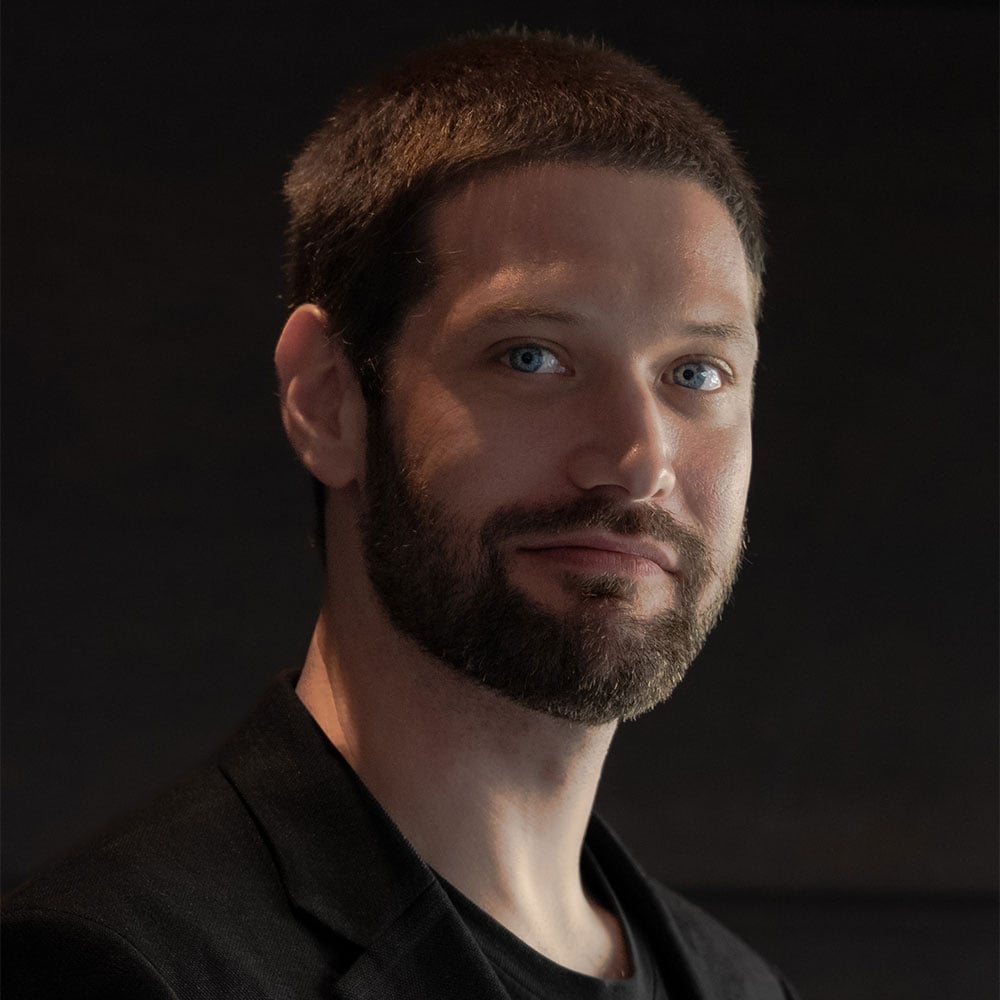
Zach Rattner
AI Founder & CTO with physical industry customers in 20+ countries
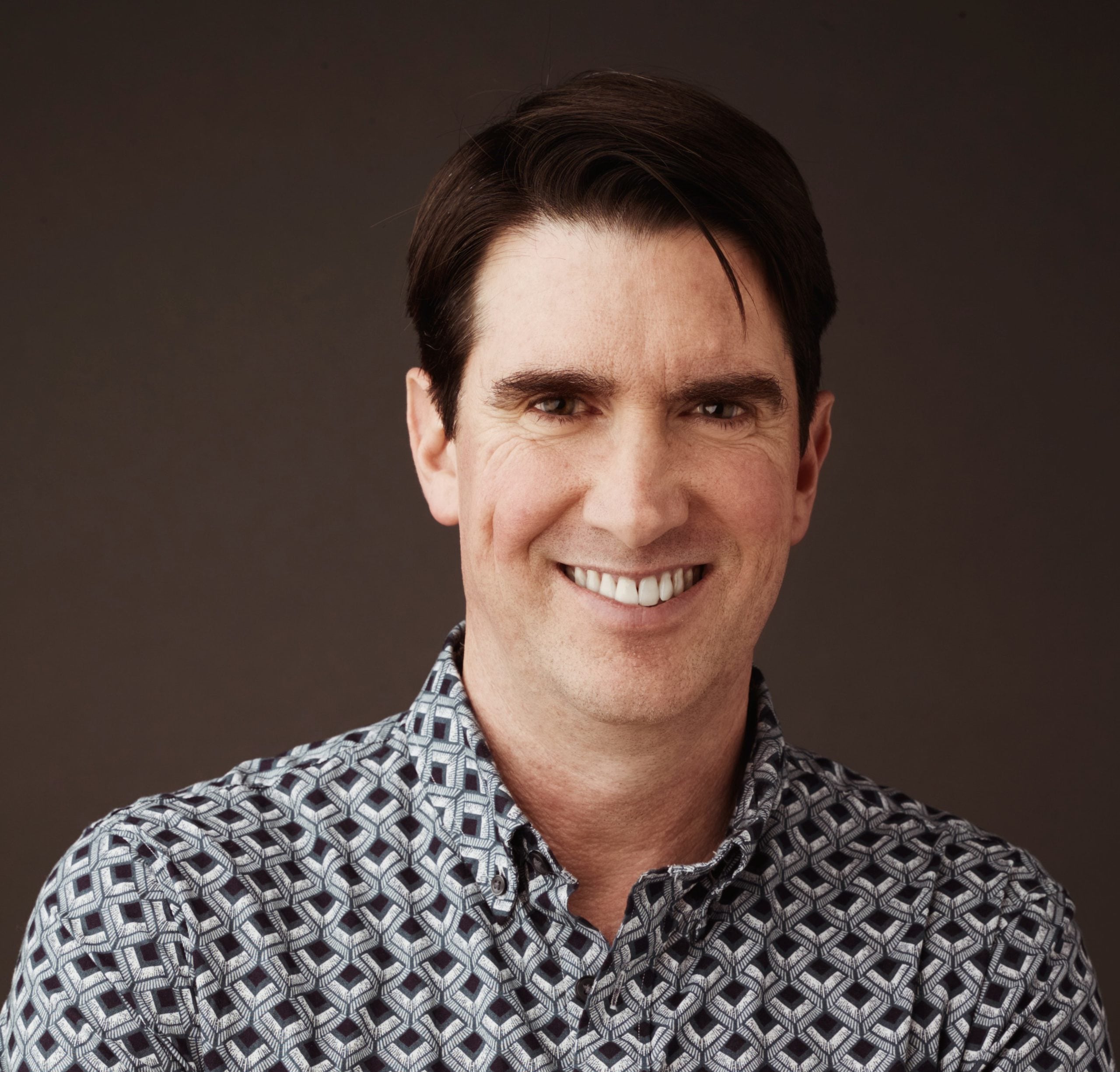
Adam Cheyer
Co-Creator of Siri and 5x founder at the intersection of AI and human potential
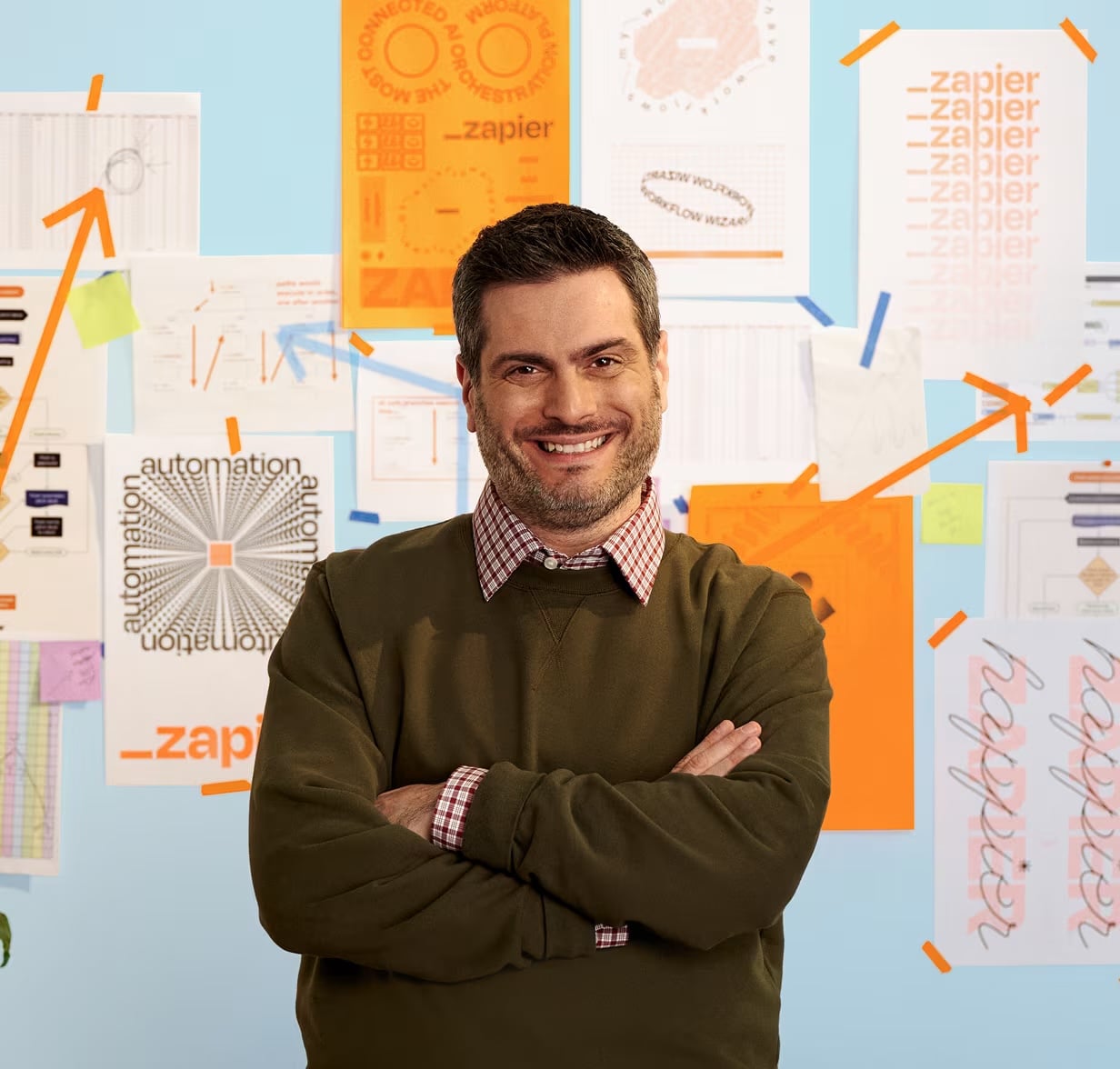
Philip Lakin
Director of AI Transformation at Zapier and the operator companies call when AI adoption stalls, with 1,000+ hours turning enterprise teams from AI-curious to AI-capable
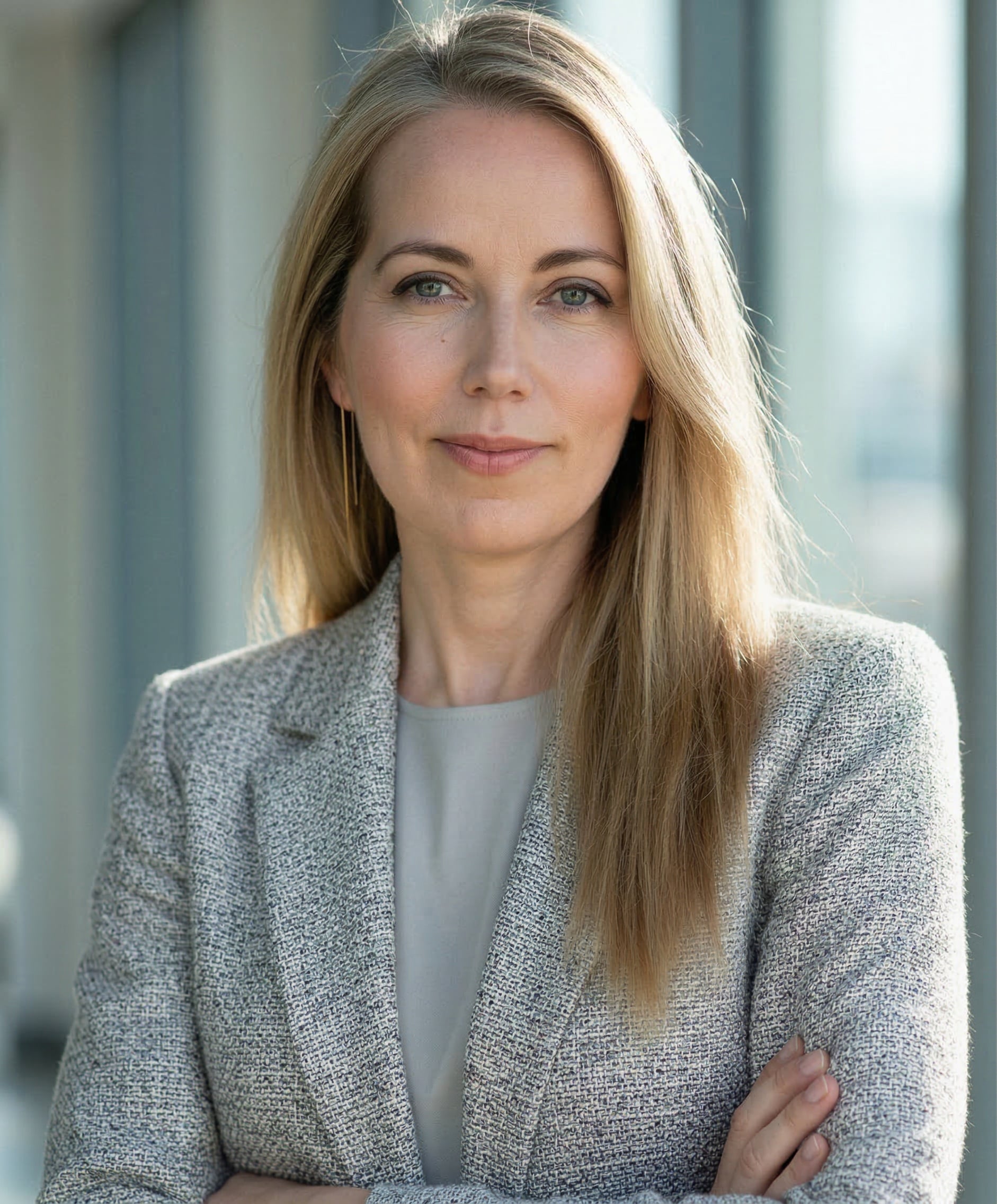
Maya Ackerman
CEO of WaveAI & AI Professor at Santa Clara University
Milly Tamati
Founder of Generalist World, who built a 150,000-person global movement from a Scottish island with 191 residents
Chris Barton
Founder & Creator of Shazam, Entrepreneur, Inventor, and Tech Investor
Mo Tiwari
Google DeepMind researcher and Stanford CS PhD bridging AI research with real-world impact

Drue Kataoka
Visual AI pioneer who has keynoted at Davos, Milken Global, the Vatican Academy of Pontifical Sciences, and the world's most prestigious stages
Abigail Posner
Anthropologist & Former Director, U.S. Creative Works at Google | Becoming Irreplaceable in an AI World
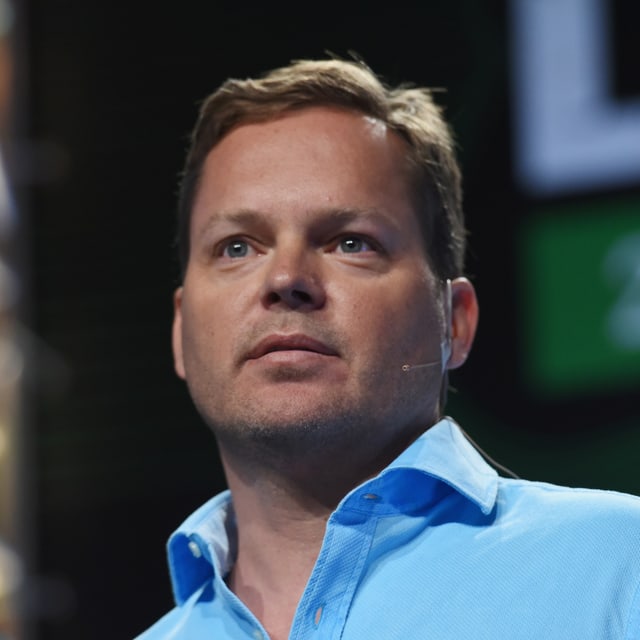
Dag Kittlaus
Co-founder and CEO of both Siri and Viv Labs
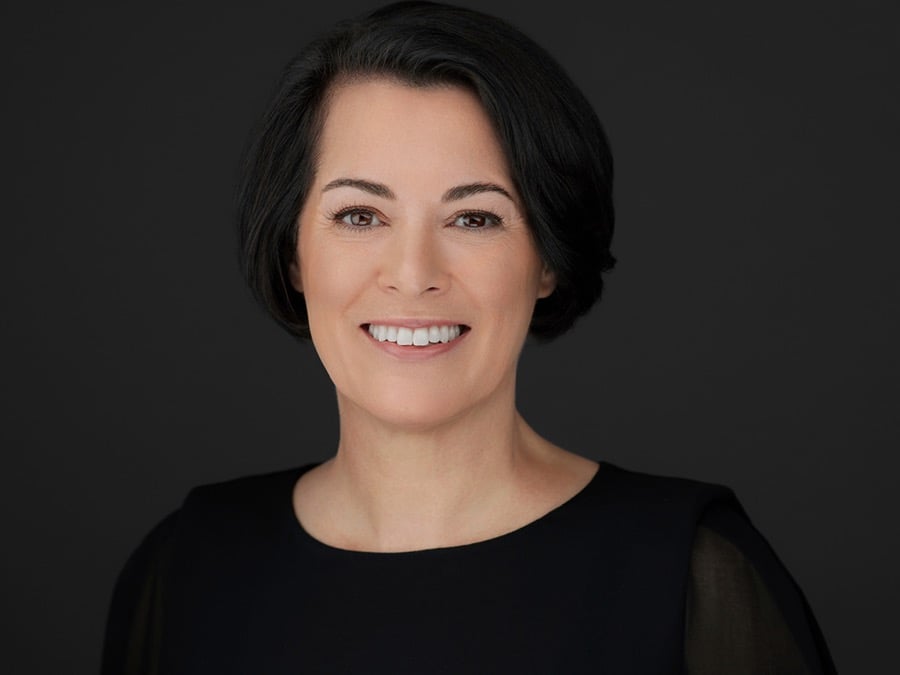
Nicole Malachowski
First Woman Thunderbird Pilot, Combat Veteran, Fighter Squadron Commander & Former White House Adviser
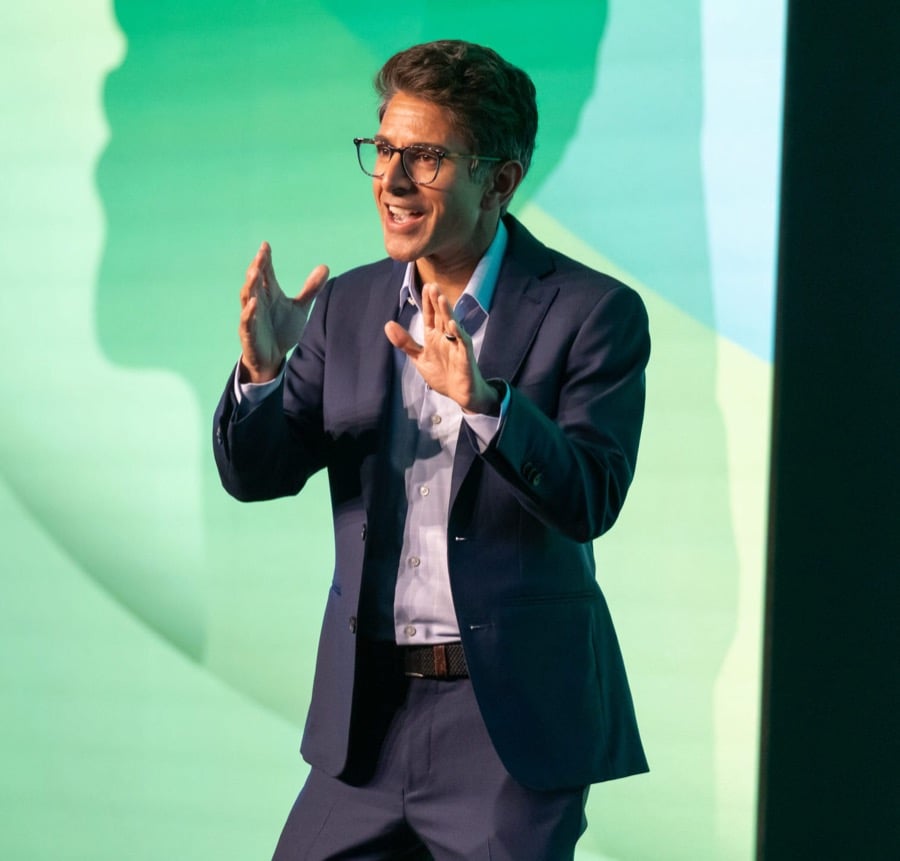
Suneel Gupta
Founding CEO of RISE & Bestselling Author of Backable | Harvard Medical School Visiting Scholar
Innovation is the most over-used word on a corporate agenda, and most innovation keynotes repeat frameworks from someone else's book. The innovation keynote speakers on our 2027 roster built the things they talk about: Siri, Shazam, WaveAI, Yembo and Generalist World. Their stories are case studies drawn from products your audience already uses, told by the people who were in the room when those products nearly failed.
What to look for in an innovation keynote speaker
Start with one test: when credible experts said the idea was impossible, did the speaker build it anyway? Chris Barton did with Shazam. MIT and Stanford researchers told him the pattern recognition couldn't work, and the company then survived six years and several near-collapses before the App Store let it take off. Adam Cheyer did with Siri. The team that created Siri grew it out of a DARPA-funded research project at SRI years before Apple bought the company. Dr. Maya Ackerman founded WaveAI, one of the earliest generative AI music startups, in 2017, years before ChatGPT made generative AI a boardroom topic. Once a speaker passes that test, ask for a talk outline and check that it names real numbers and real setbacks. Speakers who recap headlines and call it innovation are everywhere right now, and a sophisticated audience spots them within five minutes.
Innovation keynote topics companies are booking for 2027
Most corporate innovation briefs we see this year fall into four tracks. AI adoption is the biggest. Philip Lakin built Zapier's first solution product after Zapier acquired his company NoCodeOps, Zach Rattner's Why AI Fails (and How to Fix It) comes from shipping a platform used in 20+ countries, Mo Tiwari brings the research view from Google DeepMind, and Drue Kataoka's The Visual AI Revolution in Your Industry shows leaders what visual AI changes in their own field. Creativity in the AI era is the second track, where Dr. Maya Ackerman (CEO of WaveAI and a computer engineering professor at Santa Clara University) and Abigail Posner (a Harvard-trained anthropologist who spent 13 years at Google) make the case for human imagination as the advantage. The third is the breakthrough story from founders who lived it, with Chris Barton and Adam Cheyer at consumer scale and Milly Tamati, who built Generalist World to 150,000 people from a Scottish island of 191 residents without venture funding. Suneel Gupta, whose book Backable grew out of his path from twice-failed entrepreneur to a leader behind two IPOs, covers the same ground from the angle of getting new ideas backed inside a company. The fourth is change under pressure, where Col. Nicole Malachowski, the first woman to fly with the Thunderbirds, delivers Harnessing Headwinds: Successfully Navigating Change & Adversity.
Choosing between an AI speaker and an innovation speaker
The two terms overlap. An AI keynote speaker goes deep on the technology, and Mo Tiwari, an AI researcher at Google DeepMind with a Stanford CS PhD who previously worked at OpenAI, is the kind of speaker for that brief. An innovation speaker covers more ground: how a team turns a hard problem into a shipping product, and what it takes to keep going when the first versions fail. Adam Cheyer and Chris Barton both span that range, so if you want one talk that covers the technical breakthrough and the human story behind it, start with them.
Keynote plus workshop: formats for corporate innovation programs
A keynote sets the idea and a workshop makes it stick, and several innovation speakers on our roster do both in a single day. Drue Kataoka runs a hands-on Visual AI Skills & Tools workshop and a Develop Your Ideas with Visual AI session where teams come in with an idea and leave with a prototype. Zach Rattner pairs his keynote with From Pilot to Production: How to Launch and Lead an AI Initiative, built for product managers and innovation leads. Philip Lakin runs a Practical AI Adoption Workshop and Milly Tamati runs Find Your Generalist Superpower for cross-functional teams. Dr. Maya Ackerman offers workshop versions of both of her keynotes. Adam Cheyer and Chris Barton work in keynote and fireside-chat formats, and a moderated fireside with your CEO often gets more out of a leadership audience than a second keynote would.
When innovation speakers work best
Innovation summits, R&D offsites, product-team kickoffs and customer conferences where the host wants the room looking forward. They also work at sales kickoffs when the framing is right: Shazam heard no from technical experts for years before it launched, which maps closely to what a sales team lives through every quarter. Innovation speakers fit less well at purely motivational events with no strategic outcome, or in rooms that want a tactical execution playbook. For those, look at our peak performance or future-of-work rosters.
How to brief us for an innovation keynote
Tell us the date and city, who is in the room and how senior they are, what they already believe about innovation inside your company, and what you want them doing differently afterward. That is usually enough for a 20-minute call to narrow our roster to two or three names, each with a talk outline. Every speaker named here does a prep call with the host before the event. The most requested innovation speakers book 6 to 9 months out, so if your event falls in the first half of 2027, start the conversation now.
If you're booking an innovation keynote speaker for 2027, start with one filter: who built something your audience already uses? That narrows the field fast. Tell us about your event and we'll come back with two or three speakers whose work maps to your goals.
Frequently Asked Questions
What is an innovation keynote speaker?
An innovation keynote speaker is someone who has personally built or led a breakthrough product or organization and now teaches audiences how to do the same. The strongest ones are founders and CTOs who shipped the thing they describe. They speak from direct experience about building under uncertainty and shipping when conventional wisdom says it can't be done.
Who are the top innovation keynote speakers for 2027?
The innovation keynote speakers we place most for 2027 are builders: Chris Barton (founder of Shazam, which Apple acquired after 2B+ downloads), Adam Cheyer (co-creator of Siri and former VP of AI Experience at Airbnb), Zach Rattner (co-founder and CTO of Yembo, with 30 granted US patents), Dr. Maya Ackerman (CEO of WaveAI and author of Creative Machines: AI, Art & Us), Drue Kataoka (visual generative AI authority who has keynoted Davos and the Vatican), Mo Tiwari (AI researcher at Google DeepMind with a Stanford CS PhD), Philip Lakin (built Zapier's first solution product after Zapier acquired NoCodeOps) and Milly Tamati (founder of Generalist World). Philip Lakin and Zach Rattner are represented exclusively by Silicon Valley Speakers. We match the speaker to your audience on a 20-minute call.
What topics do corporate innovation keynote speakers cover?
The corporate innovation keynotes we book most for 2027 fall into four areas: AI adoption (moving from pilots to company-wide use), creativity in the AI era, founder breakthrough stories, and leading change under pressure. A good speaker tailors the talk to the area your company is stuck on, so tell us that first and we'll match the speaker to it.
What qualities should I look for in an innovation keynote speaker?
Look for operator credibility first: has the speaker built or led the breakthrough they describe, or are they summarizing other people's work? Then check recency (what they shipped or published in the last 12 months) and audience fit (a talk calibrated to your room's seniority). It also helps if they can add a workshop or fireside chat to the keynote. Ask for a talk outline. A strong one names real numbers and real setbacks.
How do innovation keynote speakers differ from leadership speakers?
Leadership speakers focus on building teams and developing executives. Innovation speakers focus on the process of building something that didn't exist before, from the messy first version to the moment the team almost shut it down. The same speaker can play both roles (Adam Cheyer is comfortable in either), but the framing of the keynote changes. For a leadership offsite, ask for the leadership story; for an R&D kickoff or product summit, ask for the innovation story.
Can an innovation speaker deliver both a keynote and a half-day workshop?
Yes. Drue Kataoka, Zach Rattner, Philip Lakin, Dr. Maya Ackerman and Milly Tamati all pair a keynote with a hands-on workshop. Drue Kataoka's Develop Your Ideas with Visual AI workshop sends teams out with a prototype, and Zach Rattner's From Pilot to Production workshop is built for the people who have to launch an AI project. Adam Cheyer and Chris Barton work in keynote and fireside-chat formats rather than workshops.
Who are the top innovation speakers for AI conferences?
For AI conferences, the strongest innovation fits on our roster are Adam Cheyer (co-creator of Siri, former VP of AI Experience at Airbnb) for the innovation-meets-AI story at consumer scale, Chris Barton (inventor of Shazam), whose impossible-product story opens AI summits well, Zach Rattner (CTO of Yembo) for the practitioner view of getting AI into production, and Mo Tiwari (AI researcher at Google DeepMind, previously at OpenAI) for technical audiences who want the research frontier. The right pick depends on whether the room wants a founder's story or a researcher's view of what comes next.
Which innovation speakers work for developer and technical audiences?
For engineering and developer audiences, start with Mo Tiwari (a Stanford CS PhD and now an AI researcher at Google DeepMind, with 20+ peer-reviewed papers at venues including NeurIPS and ICML) and Zach Rattner (30 granted US patents and a top 2% contributor on Stack Overflow). Adam Cheyer, who holds 50 patents and led server-side engineering and AI for Siri at Apple, also works well with technical rooms that want the history of conversational AI from someone who built it.
How much do innovation keynote speakers cost?
Across the market, innovation keynote fees run from about $10,000 to over $75,000 for a 45-minute keynote. Pairing the keynote with a half-day workshop or adding international travel raises the fee, and virtual delivery usually lowers it. Several innovation speakers on our roster start at $10,000, and we confirm exact fees once we know your date and format.
When should I book an innovation keynote speaker?
For the most requested innovation speakers, the founders of Siri and Shazam and speakers at that level, start the conversation 6 to 12 months ahead. For AI operators and researchers, 3 to 6 months is usually enough. The windows that fill first each year are SKO season (January through March) and the September-to-November conference rush, so if your event falls in either, plan on double the usual lead time.
Can innovation keynote speakers present virtually?
Yes. Every speaker named on this page delivers virtual keynotes, and many also run hybrid sessions. Tell us your platform and audience size in the inquiry and we'll confirm the setup on the prep call.
Ready to Book an Innovation Speaker?
Tell us about your event and we'll recommend the perfect speaker.
Start Your Inquiry